Cruz and Rubio condemn Castro as questions remain over Cuba-US ties
Senators Ted Cruz and Marco Rubio criticize Obama after death of Cuban leader but Trump adviser gives little clarity on president-elects future policy
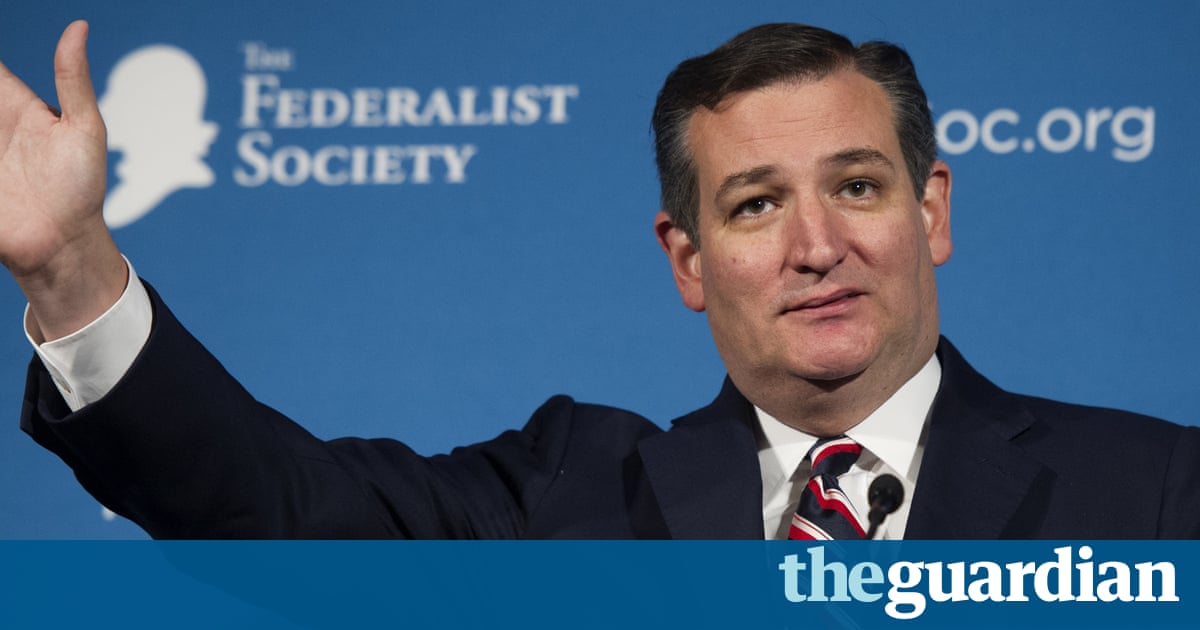
Leading Republicans condemned Fidel Castro on Sunday but uncertainty remained over whether the incoming Trump administration would make good on campaign promises to reverse the normalization of relations instigated by President Obama.
You wouldnt go to Pol Pots funeral, Texas senator Ted Cruz told ABCs This Week. You shouldnt be doing what Obama and [Canadian prime minister Justin] Trudeau are doing, celebrating Castro.
In response to news of Castros death on Saturday, aged 90, Obama released a carefully worded statement that did not criticise or praise the leader, instead saying: The Cuban people must know that they have a friend and partner in the United States of America.
Trudeau attracted widespread criticism for a statement that many saw as too laudatory.
Cruz, who is of Cuban descent, said Castro had been a murderous dictator and said: This tyrannical regime has gotten stronger because of a weak president, weak foreign policy.
Cruzs criticism of policy under Obama and Castros brother Ral, the current Cuban president, was echoed by Florida senator Marco Rubio, another former presidential candidate of Cuban descent.
Rubio, who has long been one of the harshest critics of Obamas efforts and has links to Cuban Americans in Miami who celebrated news of Castros death, said the presidents comments were pathetic.
Asked on CNNs State of the Union about Obamas statement and that issued by Pope Francis, who expressed sorrow regarding Castros death, Rubio said that as a Catholic he looked to the pope for spiritual guidance, not political.
Barack Obama is the president of the most powerful country in the world, he said. And what I called pathetic is not mentioning whatsoever in that statement the reality that there are thousands upon thousands of people who suffered brutally under the Castro regime.
He executed people. He jailed people for 20 to 30 years. [In] the Florida Straits, thousands of people lost their lives fleeing his dictatorship. And not to acknowledge any of that in the statement, I felt was pathetic, absolutely.
Obama began normalizing relations with the island in 2014, with the help of Pope Francis, after what many viewed as a failed embargo and 50 years of harsh sanctions. This year he became the first president to visit the island since 1928.
The embargo is still formally in place but normalization allowed the island nation greater access to the internet, the export of some goods, direct flights from the US, and a likely boost to the Cuban middle class.
Critics have argued that the US conceded too much. On Sunday, Trump adviser Kellyanne Conway focused on the deal, telling ABC the US got nothing in return. She did not, however, give many clues to likely Trump policy.
[Trump] is open to any number of possibilities, she said. He is open to researching and, in fact, resetting relations with Cuba.
Read more: https://www.theguardian.com/us-news/2016/nov/27/trump-cuba-ted-cruz-marco-rubio-fidel-castro
Related Posts
-
 Alyssa Milano warns ‘#TaxScamBill’ first step toward GOP taking away your… [connection lost]
-
 These Siberian Farm Cats Posing In The Snow Are Just Too Gorgeous For Words
-
 Pompeii Skeleton Of Unluckiest Guy In History Is The Internet’s New Favorite Meme
-
 Internet raises cool $175k for 89-year-old popsicle man